A Review of the Clover Embroidery Design for Personalized Gifts
As a designer running a small gift shop, I constantly test new embroidery files before committing them to customer orders. Today, I’m looking at Clover, a new machine embroidery design in the Single Flowers category. My goal is to see if it holds up as a versatile, personalized gift product for the kind of meaningful items my clients love.
First Impressions: Simplicity with Soul
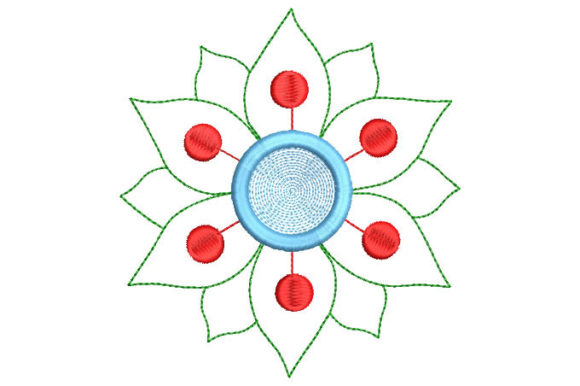
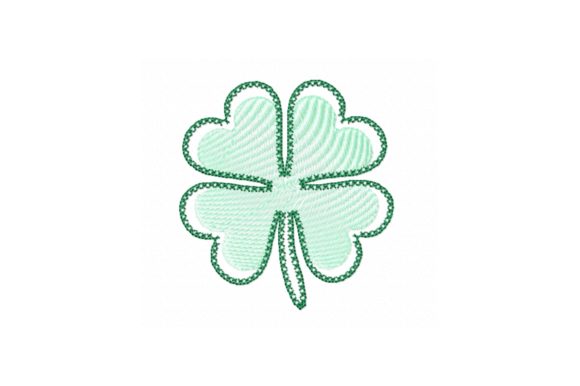
Opening the file, the first thing you notice is the clean, two-color approach. It’s classic and elegant, but carries a gentle, handmade charm that feels both sweet and timeless. There’s a softness to it, a romantic nod to nature that isn’t overly seasonal. This isn’t a flashy design; its appeal is in its quiet confidence. For a customer seeking a gift with emotional connection—a wedding gift keepsake, a baby embroidery piece for a nursery, or a family heirloom—this mood is perfect. It whispers rather than shouts, which often resonates more deeply.
The Versatile Charm of a Single Flower
In practical planning, Clover shines because of its suggested uses: napkins, potholders, mug rugs, or children’s clothing. But in my shop, I think bigger. I immediately envision it on a linen pillow cover for a wedding guest gift, delicately stitched onto the corner of a baby blanket, or as a repeated motif on a custom tote bag. Its simplicity makes it adaptable. For an Etsy seller or craft fair vendor, this is gold. One digital embroidery file can generate a whole line: embroidered towels for a kitchen set, aprons for a gardener, or nursery decor like wall hoops or bibs. The fact it comes in multiple embroidery file formats means I can easily switch between machines or offer it to other makers, expanding its use as a small shop product.
Where Clover Becomes a Beloved Gift
Let’s walk through a real scenario. A customer emails, wanting a special gift for a new baby. They want something personalized, not just a store-bought item. I suggest a soft cotton blanket with the baby’s name and a small design. Clover, placed near the name, transforms it. It’s not overwhelming; it adds a touch of nature, a symbol of luck and growth. The perceived value skyrockets. It’s no longer just a blanket; it’s a handmade product with intent. The same applies to a wedding gift—a set of linen napkins each with a single clover feels thoughtful, unified, and beautifully custom. For product photography, this clean design pops against simple backgrounds, aiding buyer engagement online. It builds customer trust because it looks professionally crafted yet heartfelt.
Practical Considerations for Perfect Stitching
However, elegance requires careful execution. Before any custom embroidery on a real order, I follow a strict test protocol. With Clover, here are my practical notes:
- Always test on scrap fabric first. Use material identical to your final product—a textured linen for a pillow, a thick terry for a towel, or a stretchy cotton for children’s clothing.
- Check thread color contrast. The two-color scheme means your choices define the design. Try classic green and white, or softer sage and cream. Test on both light and dark fabric texture mockups. A dark fabric may need a lighter thread for the main shape.
- Confirm the hoop size required from the design details. A design suited for mug rugs might be smaller, perfect for delicate items, but you must know the exact size to plan placements on larger items like blankets.
- Review stitch density on your test piece. This affects how it feels on delicate fabrics or how it holds up on items needing frequent washing, like kitchen towels.
- Use the proper stabilizer. For stretchy baby clothes or curved surfaces like tote bag sides, this is crucial to prevent puckering.
- Check small details after stitching. Even simple designs can have fine points. Ensure they are clean on your test run.
- Most importantly, if you plan to sell the finished products, confirm commercial licensing before selling. The product description mentions it comes with multiple files, but always verify the license terms for commercial embroidery use.
Navigating the Challenges for a Polished Finish
Some applications require extra thought. Using Clover on a thick towel is wonderful, but the stitch density must be robust to withstand washings. On delicate details like small lettering paired with the clover, ensure the design scale doesn’t overpower the text. For dark fabrics, thread choice is paramount; a poorly contrasting color will lose the design’s charm. And while it’s well-suited for children’s clothing, remember that stretchy baby clothes need excellent stabilization and a placement away from high-stress areas. The beauty of Clover is that once these factors are addressed, the result is consistently lovely.
The Final Verdict for Gift Shop Owners
From my perspective as a designer planning real products, Clover is a strong contender. It fills a niche for those seeking a playful yet classic, personalized gift that feels intentional. It attracts customers who value symbolism and handmade quality over flashy trends. For makers, its simplicity means fewer stitching issues, faster production, and a cohesive brand look across multiple items—from craft fair products to Etsy listings. The key is in the preparation: testing, thread selection, and understanding your base materials. Once mastered, this little Single Flowers design can become a silent hero in your Embroidery product line, turning simple items into cherished keepsakes with just a few thousand stitches. Always remember to work from your test to the final product, and let the design’s quiet elegance do the talking.