Deer Embroidery Design Review: Crafting for Market Success
As an embroidery designer preparing for a busy craft fair weekend, I examine every design with a specific lens: will this design sell, look impressive in person, and be practical to produce in quantity? Today, I’m reviewing the Deer embroidery design. The promise is a high-quality file that’s fun and easy to stitch, resulting in an elegant and gorgeous finish on any fabric. Let’s see if it lives up to that promise and where it fits into a bustling booth of handmade products.
First Impression: Elegant, Rustic, and Universally Appealing
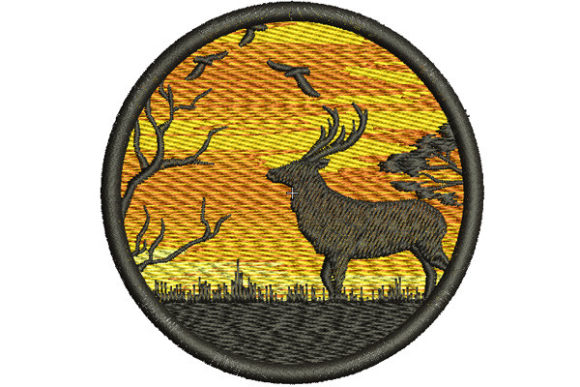
The Deer design immediately strikes a balance between elegance and rustic charm. It’s not overly cute or cartoonish, which gives it a more premium, decorative feel. This mood is perfect for targeting customers who appreciate nature-inspired, soft, yet sophisticated aesthetics. It leans towards farmhouse decor and modern rustic styles without being tied to a specific holiday, making it a versatile year-round seller. In a crowded market table, a design with this tone tends to catch the eye of customers looking for a gift that feels thoughtful and timeless, rather than novelty or funny.
Product Placement: Where the Deer Design Stands Out
Your booth display is a story, and each product placement is a chapter. For the Deer machine embroidery design, certain products will make it sing.
Strong Focal Pieces for Home and Wear
Consider using this design as a large, central motif. A pillow cover with the Deer beautifully stitched becomes a statement piece for a living room or bedroom. An apron with the Deer positioned prominently transforms a simple kitchen item into a giftable, boutique-quality product. On a tote bag or market bag, the Deer acts as a decorative anchor, elevating the bag from utilitarian to a fashionable accessory. These items command higher price points and showcase the handmade quality effectively.
Effective Accents and Smaller Items
Don’ overlook its potential as an accent. A single Deer embroidered onto a corner of a tea towel or kitchen linen adds a touch of charm without overwhelming the fabric’s function. For caps, its success depends on the design’s adaptability to curved surfaces; a more minimal, clean version of the Deer would work best here to maintain clarity. Small fabric pouches or gift card holders with a smaller-scale Deer embroidery become quick, affordable impulse buys at your craft fair table.
The Embroidered Patch Potential
Given that the product title specifically mentions “Deer patch,” this is a key application. A well-made embroidered patch is a fantastic product for craft fairs—it’s low-cost to produce, easy to display (pin them to a banner or fabric swatch), and appeals to a broad audience for customization. The elegance of the Deer design would make for a particularly beautiful patch that customers might add to jackets, backpacks, or hats. It’s a perfect entry-point product.
Practical Production & Selling Considerations
Turning a digital embroidery file into a profitable handmade product requires a practical mindset. Here’s my on-the-ground evaluation for the Deer design.
Design Clarity and Batch Production
The description says it’s “fun and easy to stitch.” This suggests good, logical stitch order and manageable complexity, which is crucial for batch production. Before committing, you must test the design on scrap fabric identical to your final products—check for any overly dense stitch areas that might pucker on lightweight totes or cause thread breaks. Inspect stitch density and review spacing between elements. If the design includes tiny details or intricate antlers, consider how they reduce in size. On small items like pouches, tiny details can lose clarity and become a thread snagging nightmare.
Fabric and Photographic Challenges
“Looks gorgeous on any fabric” is a bold claim. In reality, fabric texture and color drastically affect outcomes. On textured towels or dark fabrics, thread contrast is paramount. You must check thread contrast and likely use a lighter or brighter palette on dark materials to maintain the elegant feel. How it photographs for your Etsy listings or printable mockups is also vital. A design with clean outlines and good contrast will photograph well, making your online shop products look professional. A muddy or overly complex design will not.
Hoop Size, Stabilizer, and Real Mockups
The product mentions it comes with multiple embroidery files, which often means different sizes. Confirm the hoop size needed for your intended product. A large tote bag might require a bigger hoop than your machine can handle, so planning is key. Always use the right stabilizer for the fabric weight; a tea towel needs a different approach than a thick canvas tote. Most importantly, create at least one real mockup of your best-selling product idea (e.g., a tote bag). This physical sample is irreplaceable for judging visual appeal, customer attention, and perceived value at your booth.
Booth Display and Customer Engagement Strategy
The Deer design affects your entire booth’s strength. A cohesive display where the same elegant Deer motif appears on a pillow, an apron, and a patch creates a strong brand consistency. Customers notice repetition of a beautiful theme. It helps them understand your style and builds trust in your handmade quality.
Place the most stunning, large-format Deer product (like a pillow cover) at the back or center of your table as a focal point. Use smaller, accent items like embroidered tea towels or patches around it. This draws the eye and encourages buyers to engage with the entire family of products. The universal, non-seasonal appeal of a wild animal like a Deer means it can engage buyers across demographics—from someone looking for a rustic home decor piece to another seeking a nature-themed gift.
Critical Final Notes for the Embroidery Business Owner
Before you stitch this Deer design onto hundreds of products for your craft fair or Etsy shop, a few careful-use notes are mandatory.
- Commercial Licensing: The description does not specify license terms. You must confirm commercial licensing before selling finished products. Many digital embroidery files are for personal use only.
- Size Scaling: Experiment with the included file sizes. The design might be perfect as a 4-inch patch but lose its elegant detail when scaled down to 2 inches for a cap.
- Color Variations: Compare how the design looks on different fabric colors. A natural linen might give a rustic feel, while a white cotton suggests a more modern, clean aesthetic. Offer variety in your product line.
- Batch Production Reality: If the design is truly easy to stitch with reasonable thread colors and no excessive thread changes, it will be a joy to produce in batches. If it’s complex, it might slow down your production queue. Your time is a cost.
In summary, the Deer embroidery design holds strong potential for craft fair sellers and small shop owners. Its elegant, rustic mood is commercially appealing for a wide range of products from premium pillow covers to simple patches. Its success hinges entirely on your due diligence: testing, mockup creation, and attention to the practicalities of machine embroidery on real-world fabrics. If the file quality is high as promised, this Deer could be a graceful and profitable centerpiece for your handmade market offerings.