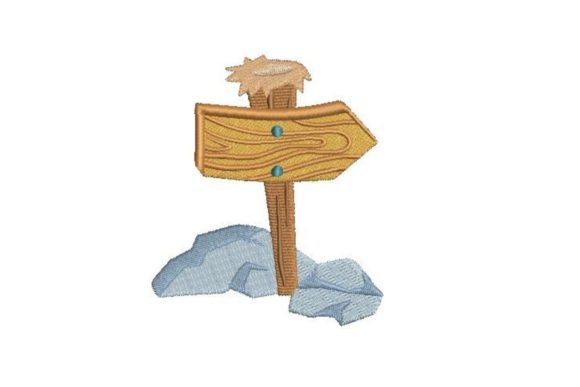
Reviewing the Sign Embroidery Design for Craft Fair Products
As an embroidery designer preparing for a weekend craft fair, my first step is to evaluate potential designs not just for their beauty, but for their commercial viability. Today, I'm reviewing the Sign embroidery design, a design categorized under Cities. My task is to imagine it transformed from a digital embroidery file into a tangible product on my booth table, surrounded by tote bags, aprons, and tea towels.
First Impression: Where Does Sign Fit in Your Booth?
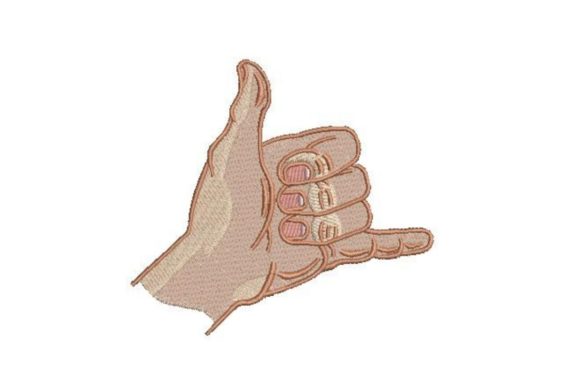
The title "Sign" immediately suggests a direction, a marker, a point of interest. This gives the design a versatile, slightly rustic yet modern decorative feel. It isn't overtly cute or funny; it leans more toward a clean, graphic aesthetic that could feel premium on the right product. This is promising for a craft fair audience looking for gifts or items with a subtle, meaningful touch.
At a glance, I imagine Sign being clear and graphic. The description mentions it looks great on any fabric or clothes, which hints at good adaptability. For my booth, this means it could be a strong candidate for batch production across different product types, maintaining brand consistency while offering variety.
Product Performance: Where Will Sign Stand Out?
The real test is imagining Sign stitched onto actual products. Let's walk through the typical craft fair inventory.
Tote Bags & Market Bags
On a canvas tote bag, Sign could be excellent. Placed centrally or on a corner, it acts as a focal point without being overwhelming. It feels like a design customers would notice and appreciate for its clarity. It could elevate a simple bag into a boutique-quality handmade product. For production, check stitch density; a tote's thicker fabric needs proper stabilizer.
Aprons & Kitchen Textiles
On an apron or tea towel, Sign enters the farmhouse and rustic decor category. Embroidered on a tea towel near the hem, it becomes a lovely, giftable kitchen accent. The key here is fabric texture; textured towels can obscure small details. Test Sign on a scrap of your chosen towel fabric first to ensure the design's lines remain crisp.
Caps & Embroidered Patches
Caps present a curved surface challenge. If Sign has small lettering or intricate elements, it might lose clarity on a cap. However, as a standalone embroidered patch, Sign could be fantastic. A patch with this design is an easy, low-cost item that attracts buyers looking for a quick, customizable purchase. It's also a great small shop product for online listings.
Pillow Covers & Fabric Pouches
For home decor like pillow covers, Sign offers a minimalist decorative element. On a linen pillow, it feels elegant and soft. On a small fabric pouch, it becomes a charming detail that suggests quality. These are higher-value items, and Sign's clean look supports that perceived value.
Practical Production & Selling Points
Turning a design into sellable products requires a practical eye.
Visual Clarity & Customer Attention
How easy is Sign to understand at a glance? A customer walking past your booth should get its vibe instantly. A graphic "Sign" design should achieve this, making it a good candidate for booth samples placed at the front to draw engagement. It likely works well as both a medium-sized focal design and a smaller accent.
Photography & Online Sales
For Etsy sellers and digital sellers, how a design photographs is critical. Clean, graphic designs like Sign usually photograph beautifully against both light and dark fabrics, showcasing the handmade quality. Create at least one real mockup for photos—don't rely solely on printable mockups. Compare fabric colors; a high thread contrast (e.g., white thread on dark fabric) will make Sign pop in an Etsy listing.
Batch Production & Repeatability
Is Sign a design you can stitch repeatedly without fatigue? Its likely simplicity suggests yes. This is vital for preparing stock for a fair. However, always inspect the actual embroidery file for any densely stitched areas that might slow production or require frequent thread changes. Review spacing and confirm the minimum hoop size needed before running multiple items.
Careful-Use Notes for the Embroidery Designer
Before committing Sign to a batch of products, run these real-world checks.
Test on Scrap Fabric First. Use the same fabric and stabilizer you plan for production. This reveals how Sign handles the material's thickness and texture.
Check Thread Contrast. Try Sign on both light and dark fabric scraps. Some designs lose impact on dark fabrics if outlines aren't bold. This affects your product color offerings.
Confirm Commercial Licensing. The description notes it comes with multiple embroidery file formats for multipurpose use. Before selling finished products, you must confirm the license explicitly allows commercial embroidery. Do not assume.
Evaluate Small-Size Clarity. If you plan to stitch Sign small on a pouch or as an accent, test it at that reduced size. Tiny details or lettering may blur, reducing the premium feel.
Final Booth Strategy for Sign
In my craft fair booth display, I would leverage Sign's graphic strength. I'd place it on a high-impact product at the center of my table—perhaps a well-made tote bag in a neutral color, where the design is clearly visible. This acts as the hero product for this design.
Around it, I'd offer variety: a set of tea towels with Sign embroidered in a corner, a simple embroidered patch for sale, and a cap if the test on curved fabric succeeds. This shows customers the design's versatility and increases the chance of a sale.
Sign feels like a design that adds visual appeal without shouting. It supports customer attention through clean execution, enhances product value by looking intentionally crafted, and strengthens booth display by offering a cohesive, stylish theme. For the embroidery business owner, its apparent adaptability makes it a practical choice for building a product line.
My final designer note: always create that first real sample. Stitch Sign onto your chosen product, hold it in your hands, and see if it feels like something a customer would pick up from your table and buy. That's the ultimate test for any machine embroidery design destined for the handmade market.