Bush Plane Embroidery Design Review: An Honest Look for Real Projects
When a new embroidery file comes across my screen, my first thought is always, “Will this actually work on a project for a client?” It’s not just about whether it’s pretty; it’s about whether it stitches well, adapts to different items, and ultimately adds value to a finished product. Today, I’m looking at the Bush Plane embroidery design from Creative Fabrica, considering it for some upcoming handmade orders.
First Impressions: The Mood and Stitching Personality
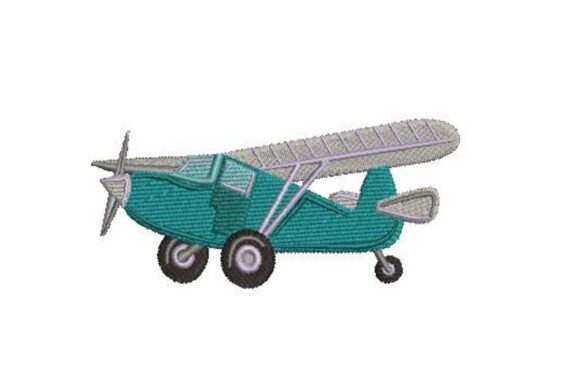
The Bush Plane design has a lovely, nostalgic charm. It doesn’t feel overly technical or industrial; it’s decorative and friendly, with a personality that leans towards adventure and craftsmanship. This visual mood makes it a natural fit for projects where you want to evoke a sense of handmade warmth, not just depict a vehicle. My immediate thought was that it would work beautifully for gifts, nursery decor, or boutique apparel where the story matters as much as the stitch.
The detail level appears balanced—not so minimal that it looks sparse, but not so hyper-detailed that it becomes a dense, thread-heavy challenge. This suggests it could be a versatile embroidery file, adapting to smaller hoop sizes without losing its character, which is crucial for caps or patches.
Project Fit: Where This Design Naturally Lands
Based on its aesthetic, I can see Bush Plane shining in several real-world applications. For custom apparel, it would be a charming accent on a sweatshirt or a jacket, particularly for brands with an outdoorsy or adventurous theme. Its adaptability, as mentioned in the description, points towards decorative pillows and bedsheets, making it a strong candidate for home decor lines.
- Tote bags and aprons: A single, well-placed plane could elevate a simple canvas tote or a kitchen apron into a standout piece.
- Baby items and nursery decor: On a baby blanket or a kitchen towel in a child’s room, its friendly design would be appealing and safe, without sharp, tiny details.
- Handmade gifts and seasonal items: For a Father’s Day cap or a gift for a pilot enthusiast, it feels perfectly thematic.
- Embroidered patches: Given its likely balanced stitch density, it could be stitched as a standalone patch for applique or to sell as a finished embroidered patch.
For Etsy sellers and craft fair vendors, this kind of design offers good brand consistency if you specialize in transportation or rustic themes. It also aids in product photography—a clean, recognizable motif like this looks professional in listings and helps with customer engagement.
Considering Performance in Real Embroidery Work
This is where the designer’s description of “gorgeous and adaptable” needs to meet the machine. Without specific stitch counts or file formats listed, the practical assessment relies on observation and standard precautions.
Potential Challenges to Test First
Any design with layered details, like a plane likely has, requires careful planning. I would be particularly mindful of:
- Small lettering or tiny elements: If the design includes minute details, they might blur on textured or stretchy fabric. A test on scrap fabric is essential.
- Stitch density in fill areas: Dense satin stitch or fill stitch areas can be problematic on lightweight fabrics like bedsheets, requiring the correct stabilizer.
- Application on curved surfaces: For cap embroidery, the design’s size and potential detail concentration need to be checked against the cap’s curvature.
- Color contrast on dark fabric: The design’s charm might fade if thread colors don’t pop on darker materials. Comparing light and dark fabric mockups digitally first is a smart step.
The mention of it coming with “multiple emb” suggests there might be multiple files or sizes, which is a huge advantage for commercial embroidery. It allows you to scale the design for a small hoop on a cap or a larger one on a pillow cover without distorting it.
Affecting Product Value and Durability
Using a well-executed design like Bush Plane directly impacts your finished product. For items that need frequent washing, like kitchen towels or apparel, a design with reasonable stitch density and secure outlines (likely using running stitch or satin stitch) will hold up better, maintaining buyer trust. A clean, professional embroidery job elevates the handmade presentation, making it feel less like a hobby project and more like a valued, giftable item.
Practical Notes Before You Hoop It
Before committing this to a client’s order or a batch of tote bags for your shop, a disciplined routine is key.
- Always test on scrap fabric. Use the same material and stabilizer you plan for the final project. This reveals how small details stitch and if any thread colors need adjustment.
- Review the stitch density visually. Load the file into your machine software and inspect the stitch paths. Are there overly dense jump stitches or compact fill areas that might pucker your fabric?
- Confirm the hoop size required. The product details should list this. Matching the hoop size to your project item is critical—you can’t stitch a large pillow design on a small baby blanket hoop.
- Check file details and licensing. This is paramount for commercial embroidery. On the Creative Fabrica product page, confirm the included file formats for your machine and the license terms for selling finished products. Never assume.
For projects like printable mockups or using the design as a design asset in your marketing, a clean digital file is just as important as the stitched result.
Final Thoughts for Creative Entrepreneurs
The Bush Plane embroidery design from the Transportation category appears to be a strong, versatile candidate for a range of handmade and commercial projects. Its decorative appeal and adaptable nature, as described, align with what embroidery designers and small business owners need: a file that stitches well and sells well.
Its value lies not just in being a lovely plane embroidery, but in its potential to become a reliable part of your product lineup—from personalized gifts to custom apparel. However, its true worth will only be proven by your own testing and how it meets your specific project requirements. Approach it as a professional: inspect, test, and verify the details on the Creative Fabrica product page. Then, if it passes your benchmarks, it could very well be the perfect accent for your next creative project.