Why This Embroidery Compass Design Works for Real Projects
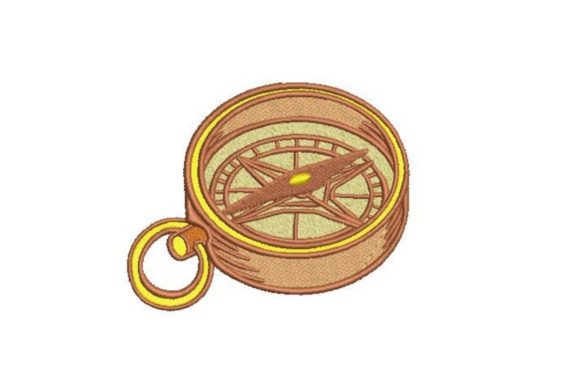
When browsing for new embroidery assets, a design like Compass immediately stands out in the Vacation category. It’s not just a graphic; it’s a symbol with a story. From the perspective of a designer who creates real products for real customers, the appeal is practical. This design promises versatility and a clear theme that connects with people. My first impression was positive: it conveys a sense of adventure and direction without being overly complex. The mood is classic, slightly decorative, and universally recognizable—a great starting point for many handmade projects.
The Immediate Fit for Commercial and Handmade Items
Before even downloading, I consider where a design will live. For Compass, the applications are broad. It’s a natural fit for custom apparel like sweatshirts and caps, where a single, impactful emblem works best. For handmade shop owners, imagine it on a tote bag for a traveler or a baby blanket for a nursery with an adventurous theme. It would elevate a simple kitchen towel or apron into a thoughtful gift. As an embroidered patch, it’s instantly salable at craft fairs or in Etsy listings. The design’s personality is sturdy and symbolic, making it excellent for brand consistency if your shop leans toward travel, exploration, or classic décor.
Performance on Actual Fabrics and Surfaces
In real embroidery work, success hinges on technical execution. When evaluating Compass for a project, I think through the challenges. Smaller hoop sizes are a primary concern. If the design includes tiny lettering or very dense stitch areas, it might require careful stabilizer choice, especially on stretchy fabrics like for caps or textured fabrics like towels. Dark fabric can be tricky; the contrast needs to be planned with thread colors. On curved surfaces like caps, the design’s balance and centering are key. Thankfully, a well-digitized compass motif often uses clean satin stitches for outlines and fill stitches for larger areas, which generally perform reliably across different materials.
For products meant for frequent washing—like baby items or kitchen linens—the stitch density and integrity are paramount. A design that’s too dense can stiffen fabric, while one with too many running stitches might not withstand wear. Without knowing the specific stitch count for this file, the advice is universal: always test on scrap fabric first. Use the same stabilizer and fabric type as your final product. This reveals how small details stitch out and whether any adjustments are needed.
Adding Value to Your Finished Products
A design like Compass does more than decorate; it adds perceived value. On a handmade product, a clean, well-executed embroidery conveys craftsmanship and builds buyer trust. For an Etsy seller, it creates a strong visual appeal in product photography, making your listing stand out. As a personalized gift, it carries meaning, enhancing its giftability. In commercial embroidery for boutique merchandise, it offers a ready-made, professional design asset that can be replicated across many items, saving design time. Using it in printable mockups for digital product sellers can also showcase the design’s potential to customers before they buy.
Essential Practical Steps Before You Stitch
Your workflow must include verification. Since the product description states it comes with multiple embroidery file formats, that’s a good sign for machine compatibility. However, I never assume. Before starting any real customer order—whether for a pillow cover, apron, or patch—I meticulously check the product details on the Creative Fabrica page. I confirm the exact hoop size required, the listed file formats, and crucially, the licensing terms for selling finished items. This is non-negotiable for commercial use.
Then, in practice:
- Run a test stitch-out on both a light and dark scrap of your project fabric.
- Review the stitch density visually as it sews; adjust stabilizer if it puckers.
- Inspect small details after stitching to ensure clarity.
- Plan your thread color contrast carefully, especially if deviating from a suggested palette.
These steps transform a digital embroidery file from a download into a reliable production asset.
The Final Assessment: Is It Worth Using?
From a professional embroidery designer’s viewpoint, Compass holds strong potential. Its thematic strength makes it easy to market for vacation-inspired products, handmade gifts, and custom apparel. The practical considerations are standard for any detailed embroidery design: testing and preparation are key. Its success in your project will depend on your technique—proper stabilizer, appropriate hoop size, and fabric choice—more than on the design itself, assuming it’s well-digitized.
The description suggests versatility with multiple formats, which is excellent. If the design avoids excessively tiny lettering and maintains a balanced density, it will perform well on sweatshirts, tote bags, and even curved caps. It can enhance your product’s presentation and customer engagement simply by being a beloved, recognizable symbol.
In summary, for embroidery designers, Creative Fabrica users, and small business owners looking for a reliable, thematic design, Compass is a worthwhile consideration. It fits naturally into a commercial workflow. Its value lies in its application. Download it, but approach it as you would any professional tool: with preparation, testing, and a clear plan for how it will meet your customer’s needs and elevate your finished product.