Olive Wreath Embroidery: An Honest Maker’s Review
First Impressions of the Olive Wreath Design
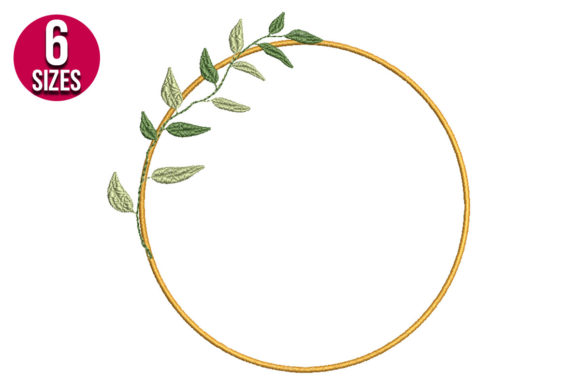
When I first opened the Olive Wreath embroidery file, I immediately felt its calming, modern elegance. Unlike bold floral wreaths that shout for attention, this olive branch creation whispers sophistication. The linework feels intentional, with just enough leafage to form a balanced circle while keeping it light and airy. It carries a gentle Mediterranean charm that works beautifully for personalized gift products. There’s a quiet romanticism here — nothing too sweet or overly seasonal — which means it fits both a rustic kitchen towel and a delicate nursery pillow cover. As a designer who tests dozens of Floral Wreaths each season, I truly appreciated how this piece avoided the generic look. It’s a classic motif with a contemporary, minimalist twist. The mood is serene, subtle, and unmistakably handcrafted. If you’re a small shop owner or Etsy seller looking to elevate your product line, the Olive Wreath instantly signals thoughtfulness and refined taste.
Perfect Personalized Gift Applications
This machine embroidery design is a chameleon in the best sense. I mentally placed it on dozens of items while planning my next collection, and it never felt out of place. Here are the most promising uses I’ve jotted down in my shop notebook:
- Baby embroidery on muslin swaddles or crib sheets — the wreath frames a baby’s name or birth date with a tender, organic feel.
- Wedding gift keepsakes — stitch it on a linen pillow cover with the couple’s initials and a small wedding date in the center. The olive branch symbolizes peace and fidelity, which adds emotional depth.
- Custom kitchen towels or embroidered towel sets — a single wreath in sage green thread on a flour sack towel transforms a simple item into a high-end hostess gift.
- Blanket embroidery on a chunky knit or fleece throw — the wreath softens the texture and makes monogramming feel intentional, not just decorative.
- Pillow cover accents — I especially love this for wedding or housewarming gifts, as the olive motif brings a calm, organic texture to sitting areas.
- Aprons and custom embroidery totes — a wreath with a family name inside feels like a modern heirloom, perfect for craft fair shoppers who adore farmhouse aesthetics.
- Printable mockup previews — the design’s clean silhouette looks outstanding in digital presentations, helping buyers quickly envision the finished product.
What struck me most is how easily it adapts to different customer stories. A new parent, a newlywed couple, or someone simply wanting to commemorate a meaningful year — this design holds space for all of them. As a handmade product maker, you can confidently use the Olive Wreath across multiple product categories without diluting your brand’s identity.
Fabric and Placement Considerations
No matter how beautiful a digital embroidery file looks on screen, real fabric brings out the truth. While the olive wreath’s open center and fine branches make it a versatile performer, I identified a few situations where extra care is non-negotiable.
Where You Need to Be Careful
- Small lettering inside the wreath — if your customer wants a name or short phrase, keep the font size substantial and choose a sans-serif style. Thin, curly scripts may lose clarity in the wreath’s delicate surrounding branches.
- Thick towels or heavily textured fabric — terry cloth can swallow fine leaf details. I strongly recommend a topper stabilizer and a slightly larger hoop size than you think you need, so the design isn’t cramped.
- Stretchy baby clothes — onesies and knit pajamas require a cut-away stabilizer and lower tension to prevent distortion. The wreath’s circular shape can warp if the fabric pulls during hooping.
- Curved surfaces like caps — this design is best kept to flat or gently convex items. On a baseball cap, the wreath might pucker at the edges.
- Dark fabric — if you stitch the wreath in light sage or cream thread, check your stitch density setting. Sparse coverage will look washed out on black or navy backgrounds. I often run a quick test on a scrap of the same dark fabric to adjust thread weight before the final stitch.
- Items needing frequent washing — the wreath’s fine lines can wear down over many laundry cycles. Reinforce with a fusible backing and educate your buyers to wash in a mesh bag for longevity.
That said, on smooth quilting cotton, linen blends, and even lightweight denim, the Olive Wreath stitches out like a dream. It’s in your best interest to always test on the exact fabric texture you’ll sell. This step alone builds customer trust because your finished products look consistent and professional.
Enhancing Giftability and Customer Appeal
When I think about what makes a personalized gift truly sell, it’s rarely the design alone. It’s the emotion it carries. The Olive Wreath brings that in spades. Olive branches universally represent peace, victory, and lasting love — powerful themes for baby blankets, wedding keepsakes, or sympathy gifts. By offering this wreath, you’re not just selling an embroidered item; you’re selling a story. I’ve already pictured how a customer would react to a handmade product featuring this motif: it feels considered, elevated, and far from mass-produced.
From a small shop product perspective, this design can also raise your perceived value. A simple tea towel with a single initial in the wreath’s center looks like a boutique find. Shoppers scrolling Etsy often pause on light, airy photography that highlights a crisp wreath silhouette. In my experience, embroidered towel flatlays with natural props and the olive wreath create high engagement because they’re photographically versatile. The wreath frames the subject beautifully, whether you’re shooting a nursery nook or a kitchen vignette. This directly impacts product photography quality, which is everything for an online small shop product.
For baby products, there’s an added layer of softness. The olive wreath doesn’t feel gendered or overly thematic — it’s a neutral, soothing circle that adapts to a nursery filled with botanical prints. For wedding gift designers, the olive wreath easily becomes a signature element: include it on table runners, ring bearer pillows, or thank-you gifts to create a cohesive line. I can already see this design becoming a bestseller during engagement season and spring craft fairs.
Practical Stitching Tips for Flawless Results
Nothing frustrates me more than a promising design ruined by skipped steps. If you plan to use the Olive Wreath in your next collection, here’s my honest checklist drawn from dozens of test runs.
- Always test on scrap fabric first. Even a small sample will reveal tension issues, thread color mismatches, or stabilizer needs. Don’t risk a customer’s precious quilt until you’ve seen how the wreath behaves on a similar fabric.
- Check thread color contrast. The olive wreath thrives in muted tones — sage, dusty teal, olive green, wheat, or even soft charcoal. If you use a color too close to the background, the wreath loses definition. Hold the stitched sample at arm’s length to confirm visibility.
- Confirm hoop size before diving in. While the description didn’t specify a required hoop, measure the open space you’ll need for any interior text. A hoop too small cramps the design; too large and you risk unnecessary fabric sag. I always add at least one inch of clearance beyond the wreath’s outer diameter.
- Review stitch density. The description mentions “beautiful embroidery” and “high-quality fabrics,” so I trust the digitizer maintained a balanced density. Still, check the file’s preview for any overly dense satin columns that could pucker on lightweight fabrics.
- Use the right stabilizer. For cotton towels, a medium-weight cut-away or a water-soluble topper works wonders. For stretchy baby onesies, nothing beats a no-show mesh cut-away. I never skip stabilizer, no matter how tempting — it’s the backbone of a finished product that lasts.
- Compare light and dark fabric mockups. I learned this the hard way: a wreath that looks graceful on unbleached linen can appear stark on bright white. Create two quick samples, snap a picture, and see which one pulls the heartstrings more. Often, slightly warm-toned backgrounds enhance the olive theme.
- Inspect small details after stitching. Look at the leaf tips and branch overlaps. If any thread breaks occur, note the spot. A single missing stitch can ruin the wreath’s continuity.
- Double-check commercial licensing. The description doesn’t state what’s included, so before you sell finished items, reach out to the digitizer. I always verify that my digital embroidery file license covers commercial embroidery use on handmade products. This protects your shop and maintains your reputation.
When to Choose the Olive Wreath for Your Shop
After testing and mapping out my own seasonal release, I believe the Olive Wreath belongs in any embroidery file library focused on elegant, heartfelt gifts. It’s not a trendy shape that will age out by next year; it’s a timeless ring of leaves that carries meaning. I’d confidently recommend it to baby product creators wanting soft monogrammed nursery items, wedding designers building a signature “love & peace” collection, and every Etsy seller who needs a refined, fuss-free machine embroidery design that photographs like a dream. Whether you’re stitching a single keepsake pillow or producing a batch of blanket embroidery pieces for a craft market, this wreath will make your work look intentional and deeply personal. Just remember: take the time to test, choose stabilizers wisely, and let the gentle olive motif speak to the customer’s heart. That’s where the real giftability lives.