The Number 2 Cute Teddy Embroidery Design for Small Business Merch
As an embroidery designer who works with small businesses every day, my job is to evaluate digital embroidery files not just as art, but as commercial assets. When a client sends me a file like the Number 2 Cute Teddy, I immediately look at it from the perspective of branded merchandise, patches, and product enhancement. This review focuses on its real-world application for shops, cafes, studios, and handmade brands.
First Impression: Professional Handmade Charm
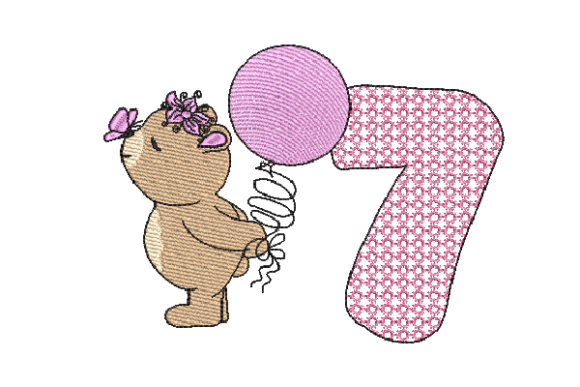
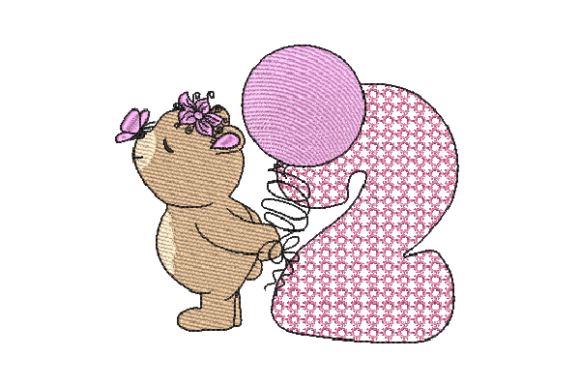
The Number 2 Cute Teddy design describes itself as an "adorable sketch" with a hand-drawn look and light fill. This is its greatest strength for business use. It doesn’t scream corporate or generic. Instead, it communicates a friendly, rustic, and personal vibe. For a boutique, bakery, florist, or creative studio, this aesthetic aligns perfectly with a brand that values a handmade, approachable presentation. It feels playful yet professional enough to serve as a legitimate brand mark on merchandise.
That "lightly filled" and "quick to stitch" description from the product details is a major practical benefit. For a small business running their own embroidery machine or outsourcing to a local shop, efficiency matters. A design that stitches out fast reduces production time and cost, which is crucial when creating batches of embroidered patches or staff aprons.
Real Business Applications: Where This Teddy Shines
Let’s break down where the Number 2 Cute Teddy embroidery file can genuinely add value to your business products and branding.
Embroidered Patches for Product Labels & Merch
This design is ideal for creating custom embroidered patches. A small, cute teddy with a number "2" can serve multiple purposes. For a pet brand, it could be a size indicator on a leash or bandana patch. For a children’s boutique or a café with a "Kids' Corner," it could be a playful element on a tote bag or hat sold as merchandise. The sketch-style makes it feel like a special, crafted add-on, increasing the perceived value of the handmade product.
Staff Uniforms & Branded Apparel Accents
Consider this not as a large central logo, but as a charming accent. On a staff apron in a bakery, the Number 2 Cute Teddy stitched on the chest or sleeve adds personality without overwhelming the uniform. On a cap for a garden center or florist, it creates a subtle, friendly brand mark. The key is its scale and style; it’s decorative but purposeful, making the apparel feel custom-made rather than bulk-ordered.
Tote Bags, Aprons, and Customer Gift Items
For small business merch like tote bags or tea towels, this design offers a great balance. It’s visually interesting enough to be a selling point ("cute teddy!"), yet not so niche that it only fits a Birthdays category. A local bookstore could use it on a tote as a series marker, or a craft studio could offer it on an apron as a gift for class attendees. It becomes a part of your brand identity, fostering recognition and customer engagement.
Careful Considerations for Commercial Embroidery Projects
Every embroidery designer knows that a good-looking file must also perform well on the machine and the final product. Here’s where to apply caution with the Number 2 Cute Teddy.
Given its sketch-like, likely open outline nature, testing is paramount. Always test it in black and white thread first on your actual target fabric. This reveals the true stitch behavior, especially since it mentions "no or little underlay." On curved surfaces like cap fronts, or on textured fabrics like canvas totes, you must ensure the design holds its shape without puckering. Using the proper stabilizer is non-negotiable.
Because it’s described as "lightly filled," stitch density may be lower, which is good for flexible fabrics and quick production. However, if you plan to use it on dark uniforms or bags, you need strong thread color contrast for the design to remain visible and impactful. Also, for very small applications—like a tiny patch on a product label—you must confirm the design works at that reduced size. Check the spacing between the teddy and the number "2"; tight details can get lost when miniaturized.
A crucial professional step: create a printable mockup for client approval before stitching. Show them how it looks on a digital image of an apron, cap, or tote bag. This aligns expectations and ensures the design fits their other design assets for visual consistency.
Impact on Brand Identity and Customer Trust
Using an embroidery design like this on your commercial products is a branding decision. The Number 2 Cute Teddy leans towards warmth and craftsmanship. It can make your brand feel more personal and attentive, which builds customer trust. On a product, a well-executed embroidered patch signifies quality and care, elevating the item from a simple commodity to a branded keepsake.
For an Etsy seller or craft business, this style directly supports a "handmade" narrative. It visually communicates that your products are thoughtfully created, not mass-produced. This enhances product value and can directly influence a buyer’s choice. However, for brands seeking a sleek, modern, or highly elegant identity, this playful sketch might need to be balanced with more minimalist elements elsewhere.
Final Designer Notes Before You Stitch
Before you run this digital embroidery file for any commercial embroidery project, wrap up your review with these practical steps.
- Verify the exact hoop size requirements and that your machine can accommodate it.
- Test on a scrap of the real fabric texture you’ll use (denim for caps, cotton for aprons, polyester for uniforms).
- Compare the stitched sample beside your other branding elements to check for visual consistency.
- Most importantly: confirm commercial licensing for the embroidery file. The product description provided doesn’t specify license terms, so you must check this before using it for business merchandise, patches, or any profit-generating product.
The Number 2 Cute Teddy embroidery design offers small businesses a tool to inject charm and a handmade feel into their merchandise. By evaluating it critically for your specific applications—patches, uniforms, caps, tote bags—and testing it thoroughly, you can transform this cute sketch into a valuable part of your brand’s tangible identity.