Eyes: How This Bold Embroidery Design Sells at Craft Fairs
First Impressions: A Gaze That Stops Shoppers in Their Tracks
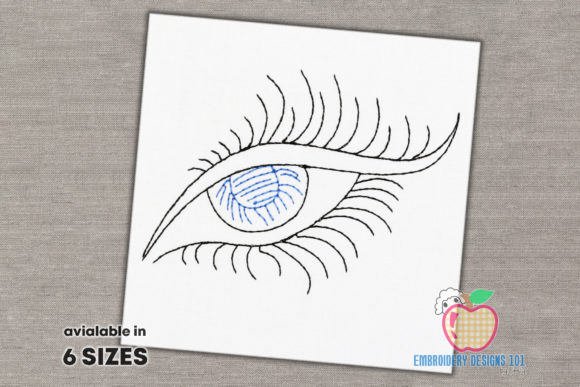
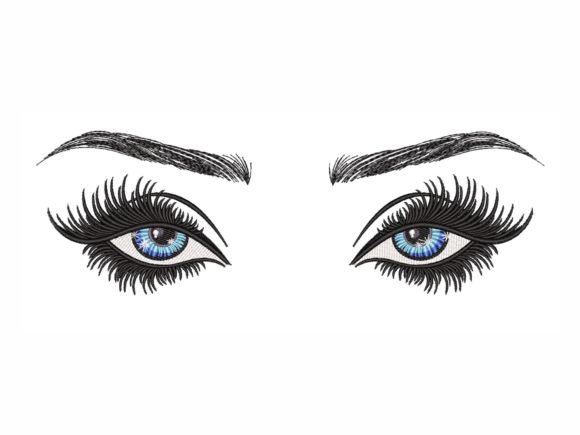
When I first loaded the Eyes digital embroidery file into my software, I knew this was not a wallflower design. The machine embroidery design features a stunning, expressive set of eyes that commands attention. It is bold, a little mysterious, and undeniably artistic. The title alone – Eyes – tells you everything. Draw the customer's eye, hold it, and let the product do the selling. From a craft fair perspective, that instant visual hook is pure gold.
The aesthetic sits somewhere between modern decorative and premium statement piece. There is a sophistication in the gaze that could easily lean into a high-end beauty vibe, which makes perfect sense given the Beauty category. At the same time, the design is versatile enough to feel fresh on a rustic linen towel or edgy on a black cap. I immediately imagined it as the centerpiece of a handmade collection, and every instinct says this one will move off the table fast.
Where Eyes Shines Brightest: Product Pairings That Sell
I mentally walked through my standard craft fair lineup to see where this embroidery file would make the strongest impact. The results were clear: flat items with enough real estate to let the eyes breathe consistently outperformed curved or heavily textured goods. Here is how I see it breaking down.
- Tote bags – This is the winner. A roomy canvas tote with the Eyes design centered on the front pocket or main face becomes an instant conversation piece. It reads fast from ten feet away, and that is exactly what you need at a busy market.
- Pillow covers – A crisp cotton or linen pillow cover with these eyes stitched near the upper third creates a dramatic, gallery-like effect. Shoppers touch pillows, and when the texture meets that arresting gaze, add-to-cart moments happen.
- Aprons – Apron embroidery is tricky because the wear area is narrower, but placing the design high on the bib converts a utilitarian item into a personality piece. It appeals to the home baker or maker who wants their kitchen style to stand out.
- Tea towels – This is a surprise hit. A high-quality flour sack towel with the eyes stitched near a hem adds just enough bold accent without overwhelming. For a farmhouse-meets-modern table display, it works beautifully.
- Embroidered patches – Small, standalone patches sell like candy at craft fairs. Shrink the design down to three or four inches, finish with a merrowed edge, and you have a collectible. Skate culture, alternative fashion, and DIY jacket customizers will snap them up. Be mindful of size, though – more on that later.
- Caps – Structured caps present a challenge due to the curved surface, but a well-hooped front panel can hold the design if you keep it moderate in size. I would test placement carefully before committing a batch. The result can be edgy and unique, but it is not the easiest substrate.
- Small pouches and market bags – These make great giftable items. A slim zipper pouch with the eyes on one side feels custom and premium. It elevates a simple accessory into a statement piece.
What stands out in every case is the design's versatility. It transitions from tote bag design to tea towel embroidery without losing its identity. That kind of flexibility is invaluable when you are trying to build a cohesive handmade product line without juggling twenty different design assets.
Photographing and Displaying Eyes for Maximum Impact
As an Etsy seller and a market regular, I think about product photography before I even stitch the first sample. Eyes is a dream to photograph because it gives the viewer an immediate focal point. The human brain is wired to respond to eyes, so your listing images get an organic engagement boost. I recommend a clean, uncluttered setup – let the embroidery be the hero. Lighter fabric backgrounds make darker thread pop, while lighter thread on a dark base fabric creates a moody, editorial feel. Both styles produce scroll-stopping thumbnail images for Etsy seller shops and social feeds.
In a booth display, I would create a focal arrangement. Hang a large tote at eye level, flank it with folded tea towels, and dot the table with a few patches. The repetition of the gaze across multiple products creates a powerful visual rhythm. Customers will literally stop and stare. When they do, they are already halfway to opening their wallets.
The Details That Matter: Stitching Notes for Clean Results
No review is complete without a hard look at the practical stitch-out. My experience with bold, illustrative machine embroidery design files like this is that the difference between a stunning finished product and a puckered mess lies in the prep work. The Eyes design likely includes areas of dense stitch density – the iris, the lash line, maybe subtle shading. That density is what gives the gaze its depth, but it can also be your enemy if you ignore fabric and stabilizer choices.
Here are the key watchpoints every maker should test before production:
- Hoop size – Confirm the file dimensions. Even if the design fits your hoop, leave a margin for proper stabilizer clamping. I always verify exact sizing before ordering blanks.
- Stitch density and fabric texture – Thick, fluffy towels or textured linen can swallow fine details like eyelashes or catchlights in the iris. A water-soluble topper is your best friend here. For smooth quilter's cotton or canvas, the stitches lay beautifully with a medium-weight cutaway stabilizer.
- Tiny details – If the design includes fine lines around the eye or subtle highlights, scale becomes critical. Shrinking the design below roughly 3 inches risks losing those details entirely. I always run a stitch-out at the smallest intended size to see if the clarity holds. If it turns into a blob, I increase the minimum size or reserve the small format for patches where a slight abstraction is acceptable.
- Curved surfaces – For caps, use the correct cap hoop and a heavy adhesive backing to prevent shifting. Even then, expect some distortion along the outer edges of the eye. I would personally offer caps only as a custom order until I perfectly dialed in placement.
- Dark fabric – If your thread colors are dark – black, deep brown, navy – the design may disappear on dark backgrounds. Good thread contrast is non-negotiable. On black canvas, consider stitching the eyes in light gray, silver, or even white for a ghostly, high-fashion effect. Test a few color palettes.
- Thread colors – The file may come with a recommended color sequence, but I always experiment. A subtle shift from pure black to charcoal in the pupil can add depth without looking washed out. Variegated thread is worth trying for an artistic twist, but save that for small-batch show pieces.
None of these are dealbreakers. They are simply the reality check every professional runs before filling a booth. The Eyes design has the bones to be a reliable staple, but diligence on the front end saves frayed nerves and wasted blanks later.
Production Tips for Batch Selling
If you are planning to stock a craft fair booth or fulfill small shop product orders, repeatability matters. The Eyes design is well-suited to batch production because the visual payoff is high relative to stitch time. Once you have your stitch-out dialed in, you can run multiples quickly. I always keep a master test swatch pinned to my board with the exact stabilizer, thread brand, and hoop settings noted. That turns a one-off success into a repeatable system.
One note on commercial embroidery use: Before you sell anything with this design, confirm the licensing. The description says this digital embroidery design comes as a file – it is vital to check that the digital embroidery file includes a commercial use allowance for finished physical products. If that is unclear, reach out to the designer. I never assume; I verify. This protects your small business and respects the artist's work.
For makers who also sell digitally, a printable mockup can showcase the Eyes design on virtual items. However, remember that physical samples close sales faster at in-person events. A real stitch-out on a tangible product gives customers confidence in the quality. I recommend having at least three different finished samples on hand for the booth – a large tote, a tea towel, and a patch, for example – so shoppers can touch and see the variation.
Eyes as a Brand Builder for Your Booth
Markets are louder than ever. A consistent design motif ties your table together and makes you memorable. The Eyes embroidery file can anchor an entire collection. I see this working for makers who want a signature look – something a little avant-garde, a little beauty-inspired, but still handmade and approachable. When a customer comes back a month later and says, “I remember your booth, you had those incredible eyes on everything,” you have succeeded at branding.
From an Etsy seller perspective, the design gives you a recognizable product line that photographs beautifully and pulls a premium price. A simple tote with a high-quality embroidery of this design easily justifies a higher ticket than a plain bag, and the perceived value of the handmade craftsmanship jumps.
Ultimately, the Eyes design is a tool for building a narrative. It works for the beauty niche, the artistic maker, the alternative crafter, and anyone who wants their handmade goods to stop a passerby mid-stride. It is not quiet, and that is exactly why it belongs in a craft fair environment.
Final Stitch-Out Checklist for Makers
Whenever I introduce a new machine embroidery design into my production rotation, I run through the same checklist. Use this as your launch pad for Eyes:
- Run a test stitch-out on medium-weight scrap fabric. Inspect every eyelash and iris detail.
- Check thread contrast on at least three fabric colorways: natural, white, and a dark tone.
- Confirm required hoop size and note any positioning quirks.
- Review stitch density in dense areas. If the design feels stiff, consider a lighter stabilizer or a slightly reduced design (if your software allows).
- Use the right stabilizer for the end product: cutaway for garments and bags, tear-away for light home décor, and a topper for textured towels.
- Create at least one physical finished product mockup to display and photograph.
- Verify commercial embroidery rights before listing anything for sale.
- Bundle with complementary designs or sell as a standalone statement piece – either approach works.
The Eyes embroidery design is one of those rallying pieces that makes a booth feel intentional and art-driven. It pairs beautifully with the Beauty and Embroidery intersection, and it gives your customers something to remember. With a little testing and thoughtful application, this file can easily become one of your best-selling handmade product performers. I would not hesitate to lead with it at my next event.